
Description
MDMA Crystal: What You Need to Know
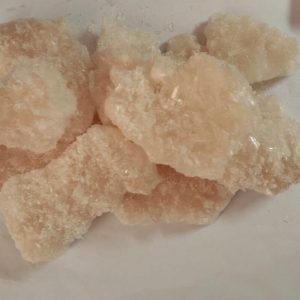
So, what exactly is MDMA Crystal? It’s a synthetic drug, technically called 3,4-methylenedioxymethamphetamine, and it belongs to the amphetamine family. You’ll usually see it as clear or off-white crystals or powder. In the UK, MDMA is a Class A drug, which means making it, selling it, or even just having it is illegal unless you’re part of a licensed research project.
People often say that the crystalline form is one of the purest ways to get MDMA—unlike pressed tablets or “ecstasy pills,” which often have fillers or random chemicals. On the street, you’ll hear it called “Molly,” but don’t assume it’s always pure. The reality is, you never really know what you’re getting unless you have it tested.
A bit of background: MDMA’s been around for over a century. A German chemist named Anton Köllisch made it in 1912 when he worked at Merck. The drug mostly gathered dust until the 1970s and 80s, when therapists started using it because it seemed to boost empathy and help people open up emotionally. Not long after, the party scene picked it up—especially in the UK during the late 80s rave explosion, where it became a hallmark of acid house and dance culture.
In the UK, use really took off during the 1988–1989 “Second Summer of Love.” Even though MDMA is globally listed as a Schedule I drug (meaning it’s seen as having high abuse potential and no accepted medical use), scientists are now taking another look. Carefully controlled studies are using pure, pharmaceutical MDMA to see if it helps people with PTSD, anxiety, or depression.
So, how does MDMA Crystal actually work?
It basically floods your brain with serotonin, dopamine, and norepinephrine by pushing them out and blocking their reuptake. That mix leads to the effects people seek:
– Strong feelings of euphoria
– Emotional closeness and empathy
– Sharper sensations—especially with touch and music
– Less anxiety and fear
– A boost in energy and sociability
If you swallow it (often in water or a capsule), you’ll probably feel it kick in after 30–60 minutes, and the effects last about 3 to 6 hours. Doses usually fall between 80 and 150mg, but that really depends on your body, your tolerance, and how pure the stuff is. Some people choose to take it in other ways, like dabbing or vaporizing, though swallowing is most common.
But let’s not gloss over the risks—MDMA Crystal comes with real dangers.
In the short term, it can cause dehydration, overheating, jaw clenching, a racing heart, and sometimes even serotonin syndrome (especially if you mix it with other drugs). If you take it a lot or in big doses, you can run into worse problems like depleted serotonin, depression, anxiety, and what’s sometimes called “Suicide Tuesday”—that sad, low feeling a day or two after taking it.

And honestly, purity is a huge issue. Pills and crystals bought on the street in the UK are often cut with all kinds of unexpected substances. Groups like The Loop and Release always suggest testing anything you plan to take—either with reagent kits or, better yet, a proper lab. It’s smart to stay hydrated (but don’t chug water endlessly), keep cool while partying, and avoid mixing MDMA with alcohol or other drugs, especially if they also mess with serotonin. If you’ve got a heart problem, high blood pressure, or mental health issues, the risks go up even more.
If you’re going to be involved with MDMA, do your homework, know the risks, and don’t trust a substance blindly just because of how it looks.